

Christian Liberty and the Making of a Free Commonwealth— How Christian Moral Law Shaped Liberty, Government, and Responsibility in America
Christian Liberty and the Making of a Free Commonwealth presents a concise theological and historical defense of America’s original liberty framework: God-given rights, limited civil government, moral law, and the duty of self-governing citizens. This booklet is intended for churches, families, civic groups, study circles, and citizens who believe liberty cannot survive without truth, moral responsibility, and self-government under God.
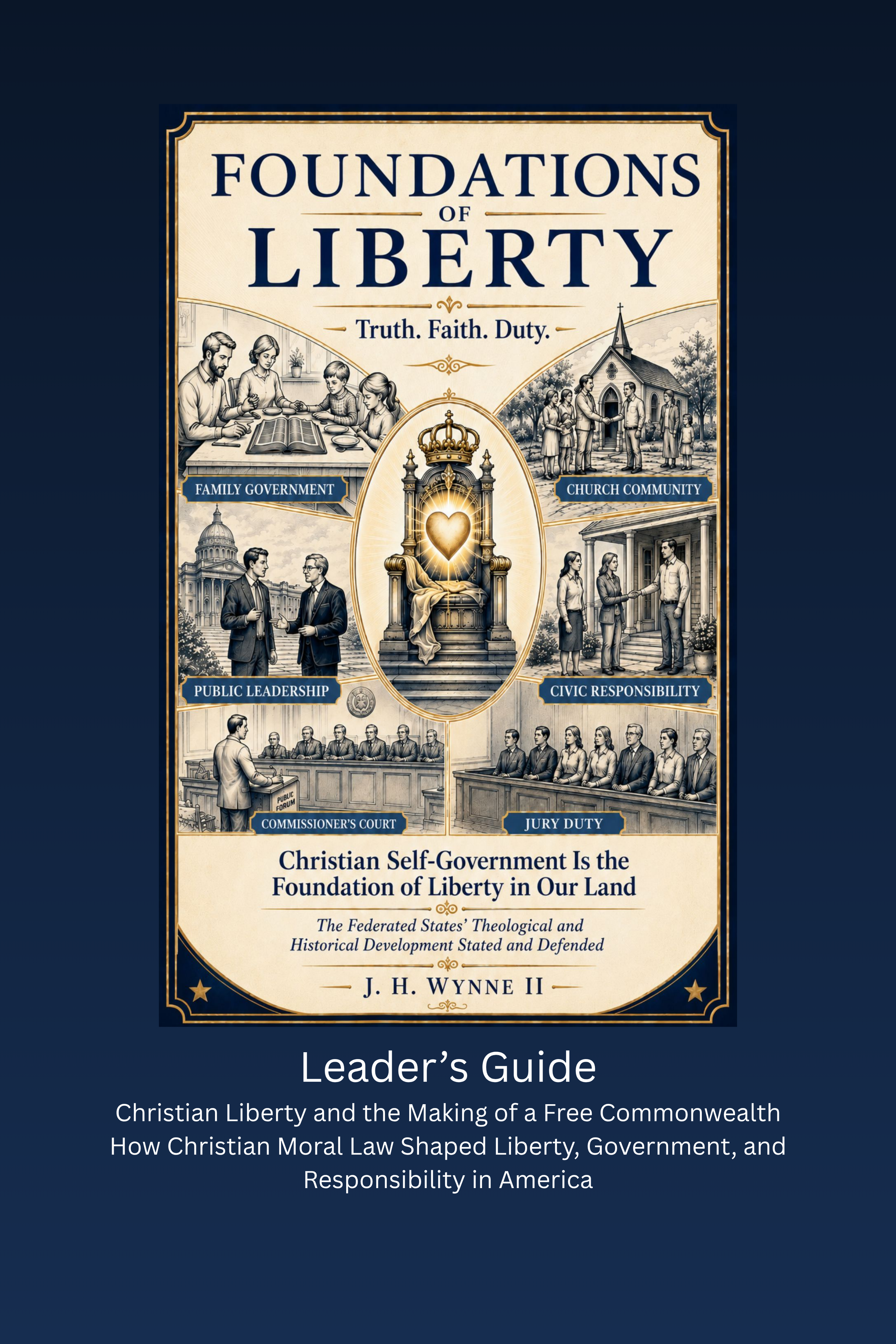
Leader's Guide Christian Liberty and the Making of a Free Commonwealth How Christian Moral Law Shaped Liberty, Government, and Responsibility in America
The Leader’s Guide for Christian Liberty and the Making of a Free Commonwealth is designed to help teachers, pastors, civic leaders, parents, and discussion-group facilitators lead others through the Foundations of Liberty framework.
This guide expands the booklet’s major themes: God-given rights, limited civil government, Christian moral law, self-government, citizen duty, and the historical development of ordered liberty in America.
Each section equips leaders with background explanation, discussion guidance, anticipated objections, suggested answers, key terms, timelines, and reproducible handouts for group use.
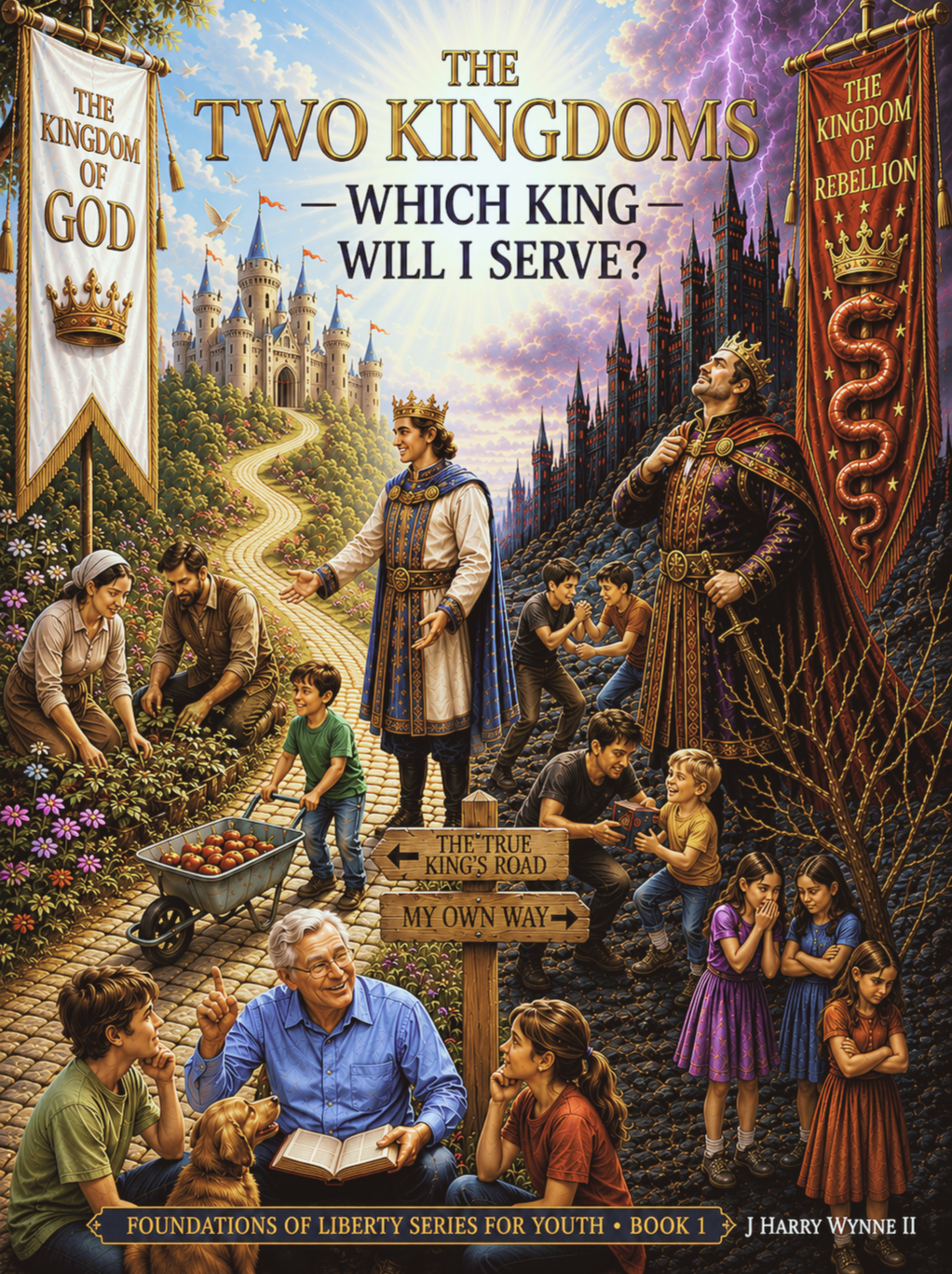
The Two Kingdoms--Which King Will I Serve? Book 1 in the Foundations of Liberty Series For Youth
The Two Kingdoms—Which King Will I Serve? is Book 1 in the Foundations of Liberty Series for Youth, the illustrated children’s companion to Christian Liberty and the Making of a Free Commonwealth. Written for about age eight, it helps them answer an important question: Who has the right to decide what is true, good, and right? Beginning with Adam and Eve in the Garden of Eden, four illustrated lessons explore rebellion, loyalty, temptation, responsibility, forgiveness, and the many voices competing for a child’s attention. The book combines story, conversation, questions, vocabulary, and practical examples to build a child’s foundation for truth, self-government, liberty, and Christian duty.
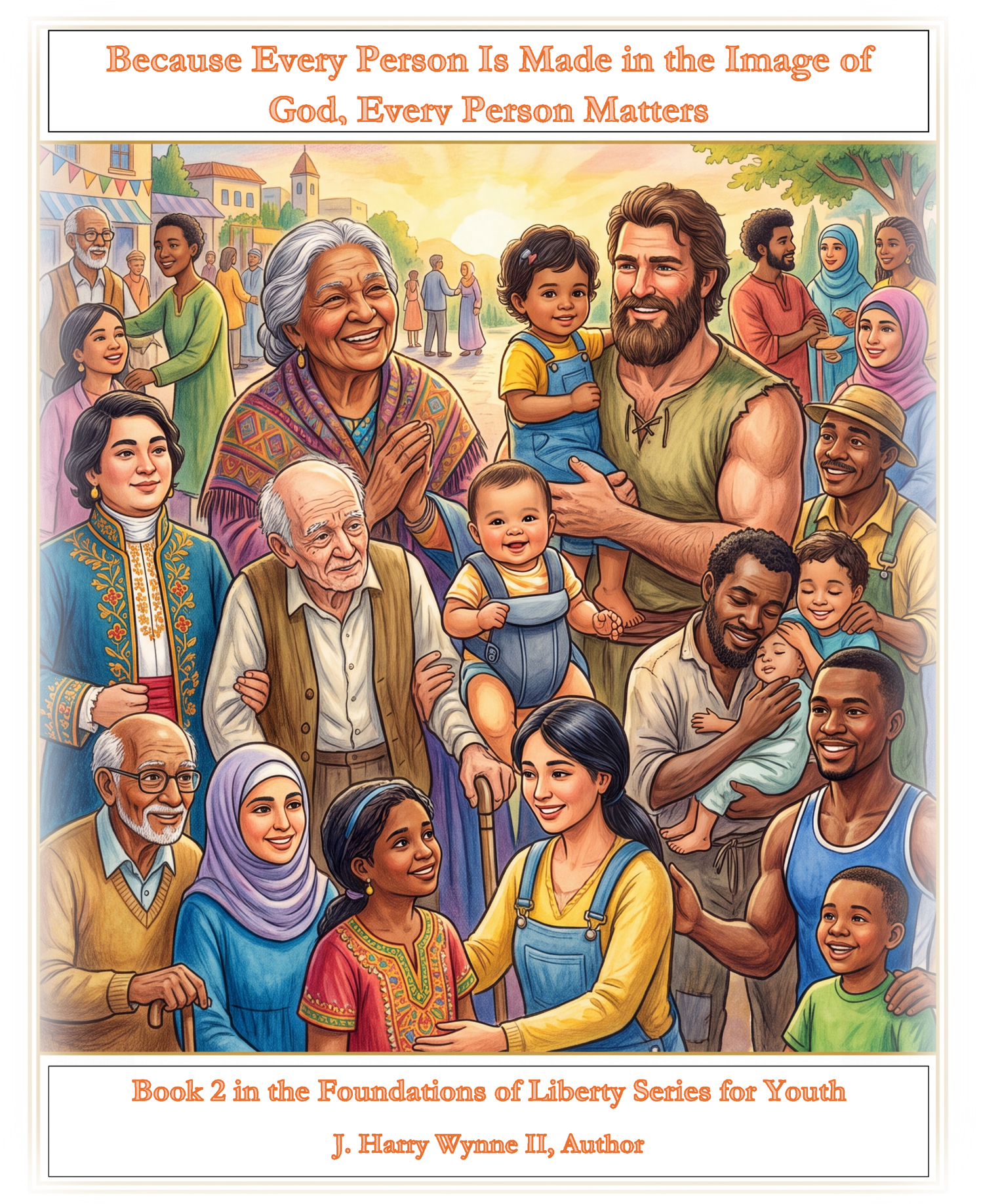
Because Every Person Is Made in the Image of God, Every Person Matters Book 2 in the Youth Series
Written for children around age eight, it helps them understand why every human life has God-given dignity.
Through five illustrated lessons, children learn that the weak should be protected, rulers are never above God’s moral law, literacy and careful thinking help defend truth, and people whom others overlook still deserve justice, mercy, and respect.
It combines story, conversation, questions, vocabulary, and practical examples to help children grow in responsibility, compassion, discernment, and respect for the rights of others.
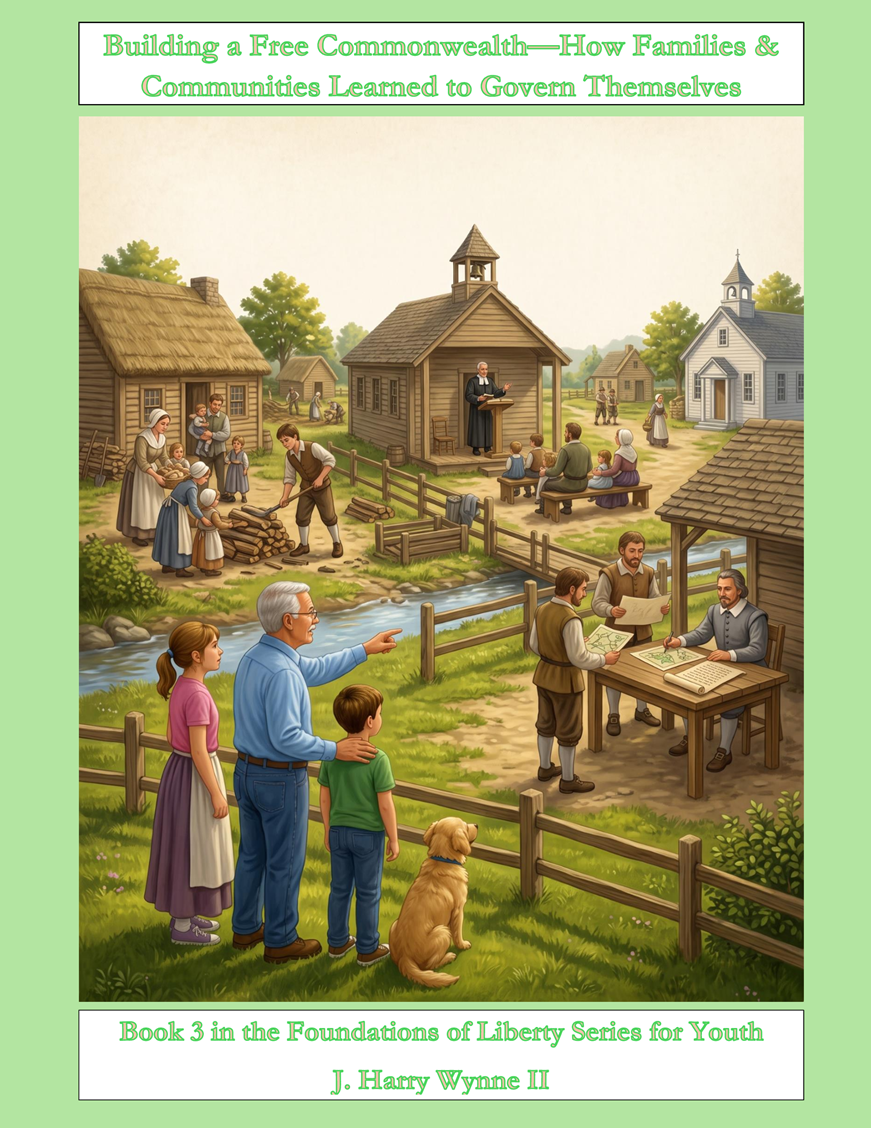
Building a Free Commonwealth--How Families & Communities Learned to Govern Themselves
Book 3 in the Youth Series
Written for children around age eight, it explains how Christian ideas about covenant, responsibility, literacy, written law, and limited authority shaped the New England commonwealths. Through five illustrated lessons, children learn why free communities depend on people who keep promises, solve local problems, read and think for themselves, limit concentrated power, and respect the different responsibilities of family, church, and civil government. The book also shows that the Puritans were imperfect while still contributing important habits of ordered liberty. It prepares young readers to understand how these colonial ideas helped lead toward America’s later constitutional system.
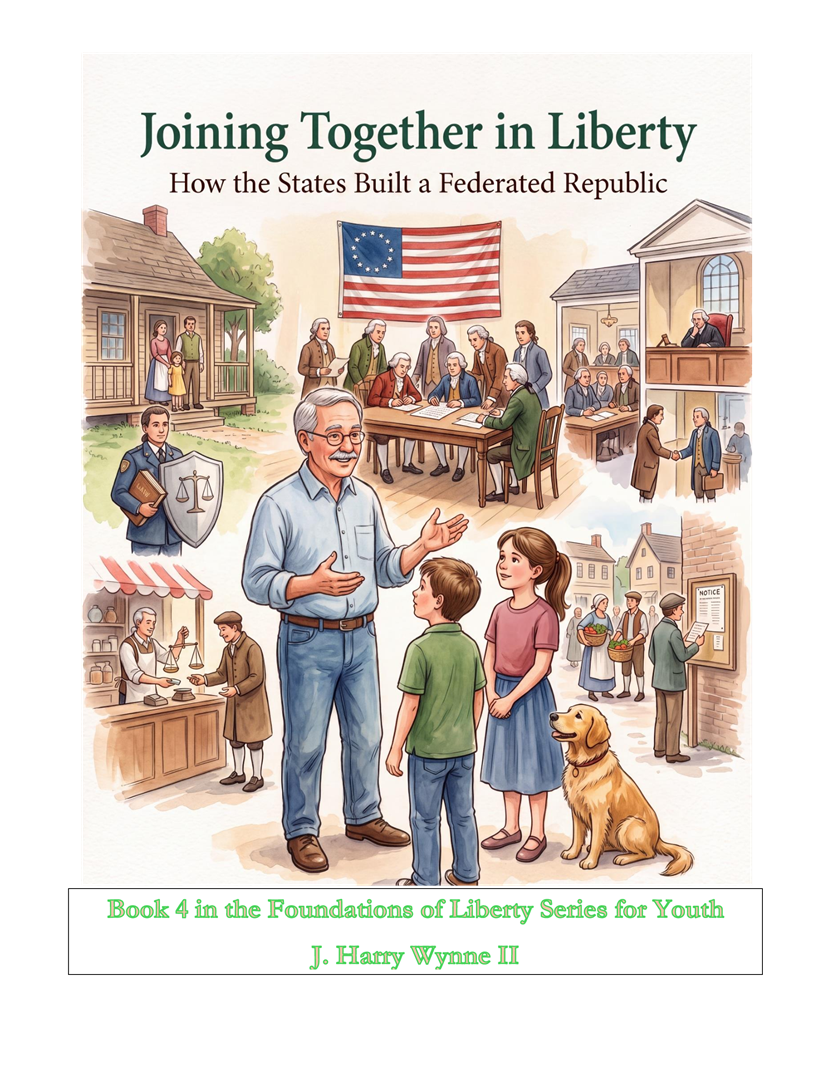
Joining Together in Liberty--How the States Built a Federated Republic Book 4 in the Youth Series
The book explains how the colonies became independent states and how those states later joined together under the Constitution. Through five illustrated lessons, children learn that rights come from the Creator, government exists to protect rather than create those rights, federal powers are limited and delegated, and authority is divided to guard against concentrated power. The book also teaches that constitutional safeguards cannot preserve liberty by themselves. Free government depends on citizens who practice honesty, responsibility, self-restraint, and moral courage.
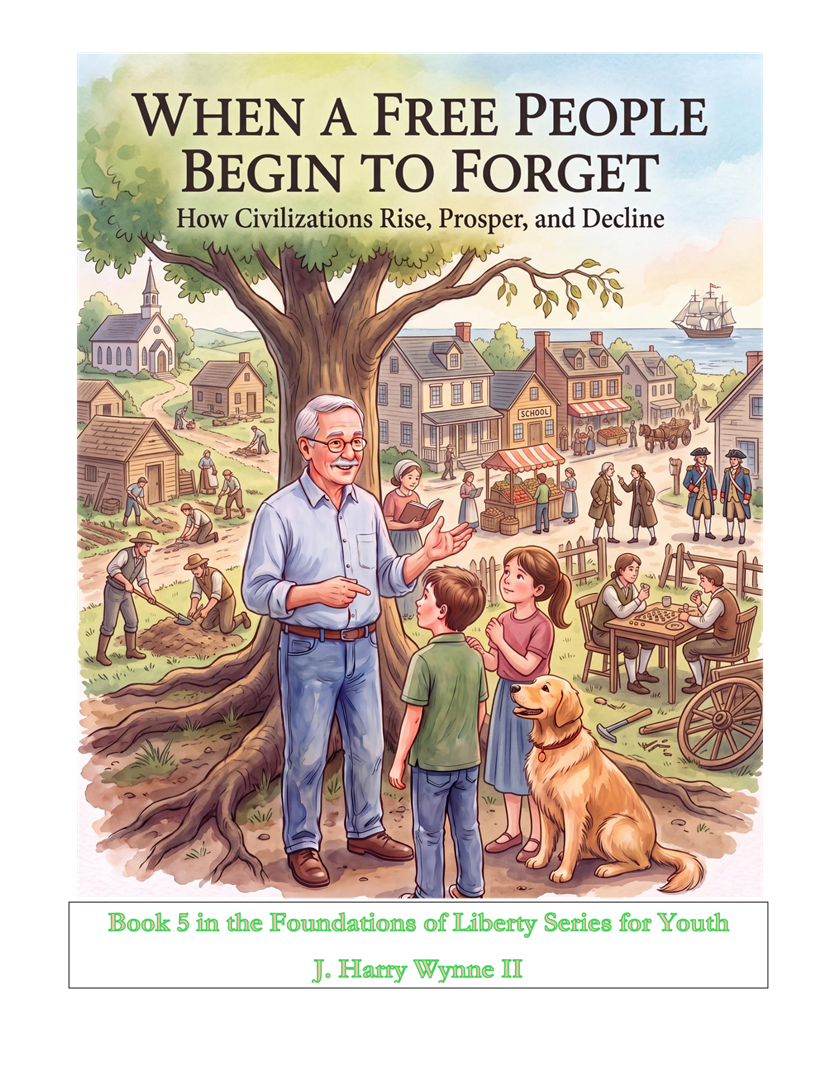
When a Free People Begin to Forget--How Civilizations Rise, Prosper, and Decline Book 5 in the Youth Series
The book explains why strong civilizations can weaken when later generations forget the courage, discipline, gratitude, wisdom, and responsibility that helped build them. Through six illustrated lessons, children learn how hardship can strengthen character, how prosperity can test a people, why knowledge must remain joined to wisdom, and how declining self-government can lead to increasing outside control. They also learn why historical memory, vigilance, and personal responsibility matter, and how internal weakness can invite pressure from rivals. The book emphasizes that decline is not inevitable: liberty must be remembered, practiced, protected, and faithfully passed to the next generation.
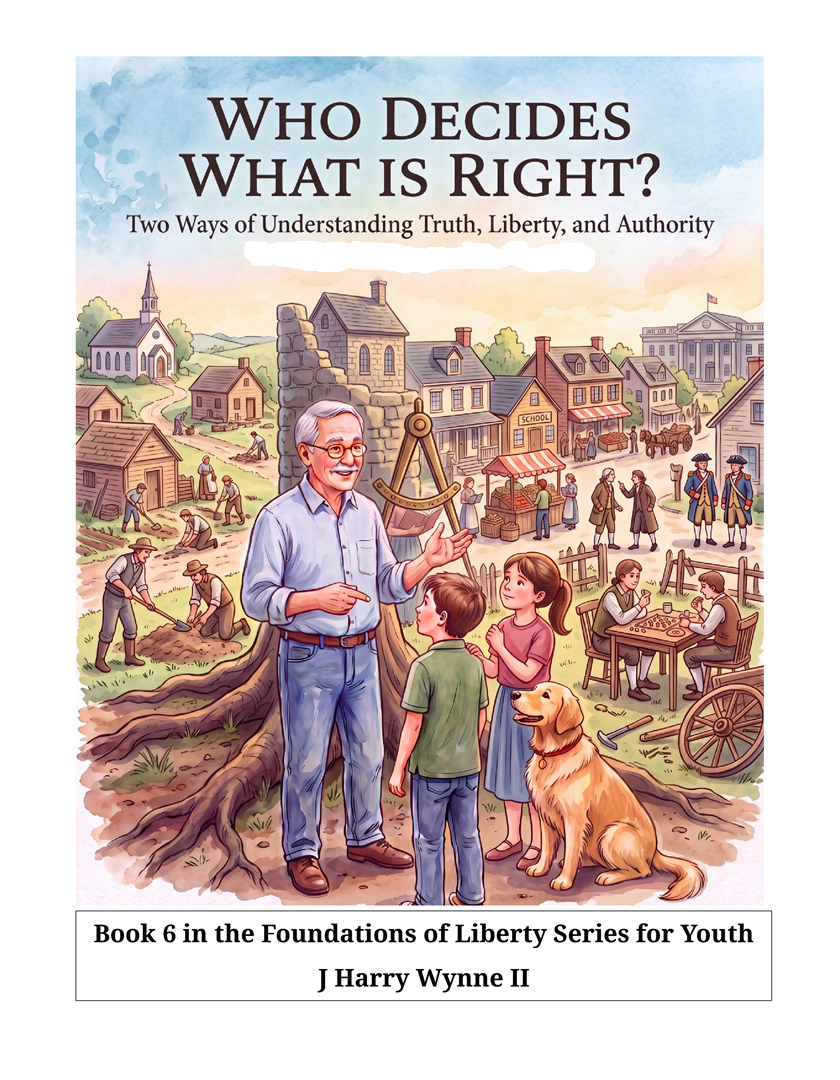
Who Decides What is Right? Two Ways of Understanding Truth, Liberty, and Authority
Book 6 in the Youth Series
The book explains why many disagreements about freedom, justice, and government begin with a deeper question: Who decides what is true and right? Through six illustrated lessons, children learn what a worldview is, why moral truth cannot simply be created by personal desire or popular opinion, and why true liberty is more than doing whatever we want. They also learn how changing the meanings of important words can shape beliefs, how to disagree without hostility, and why freedom depends on truth, responsibility, self-restraint, courage, and love. The book shows that a free society needs both limited government and people who willingly govern themselves according to what is right.
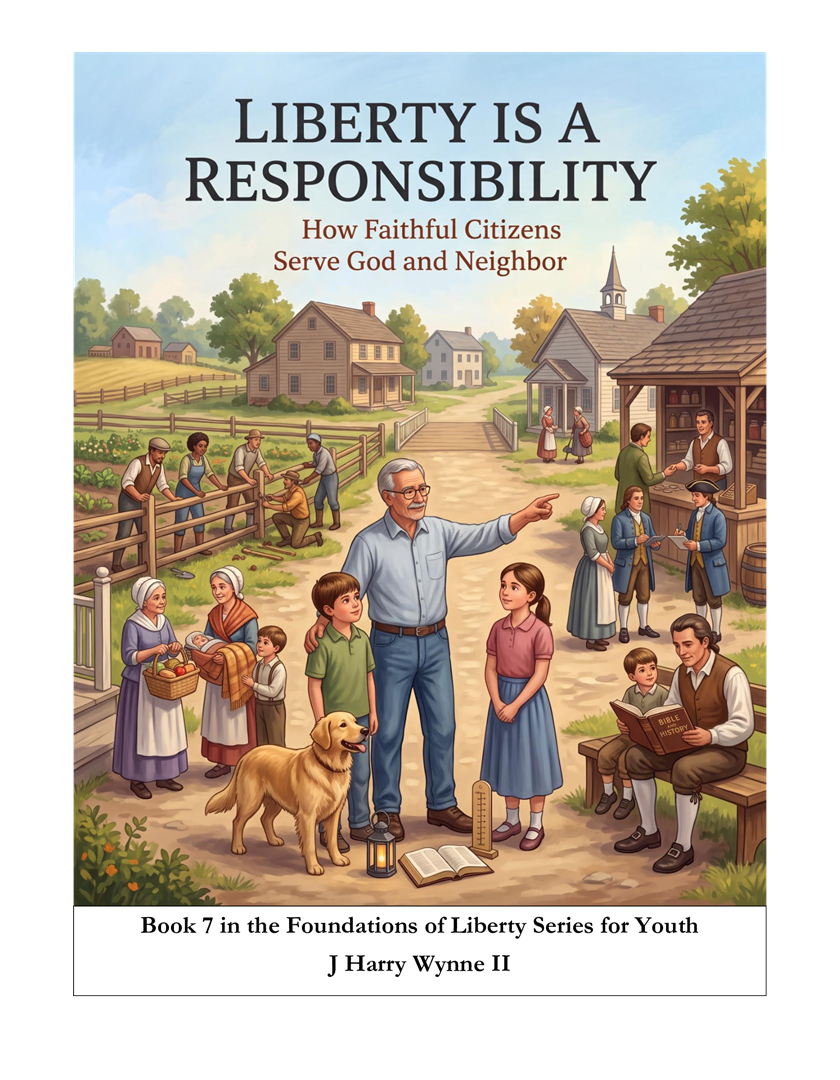
Liberty Is a Responsibility--How Faithful Citizens Serve God and Neighbor Book7 in the Youth Series
The book teaches that liberty brings duties as well as rights. Through six illustrated lessons, children learn that faithful citizenship means doing their part, teaching what is worth preserving, refusing blind loyalty to leaders or groups, choosing leaders by character and actions, rejecting dishonesty and corruption, and serving family and neighbors faithfully. They also learn that citizenship begins long before they are old enough to vote. By practicing honesty, responsibility, discernment, courage, self-restraint, service, and respect for lawful order, children begin developing the character needed to preserve liberty. The book shows that freedom is not only something we inherit—it is something each generation must use responsibly, protect, and pass on.
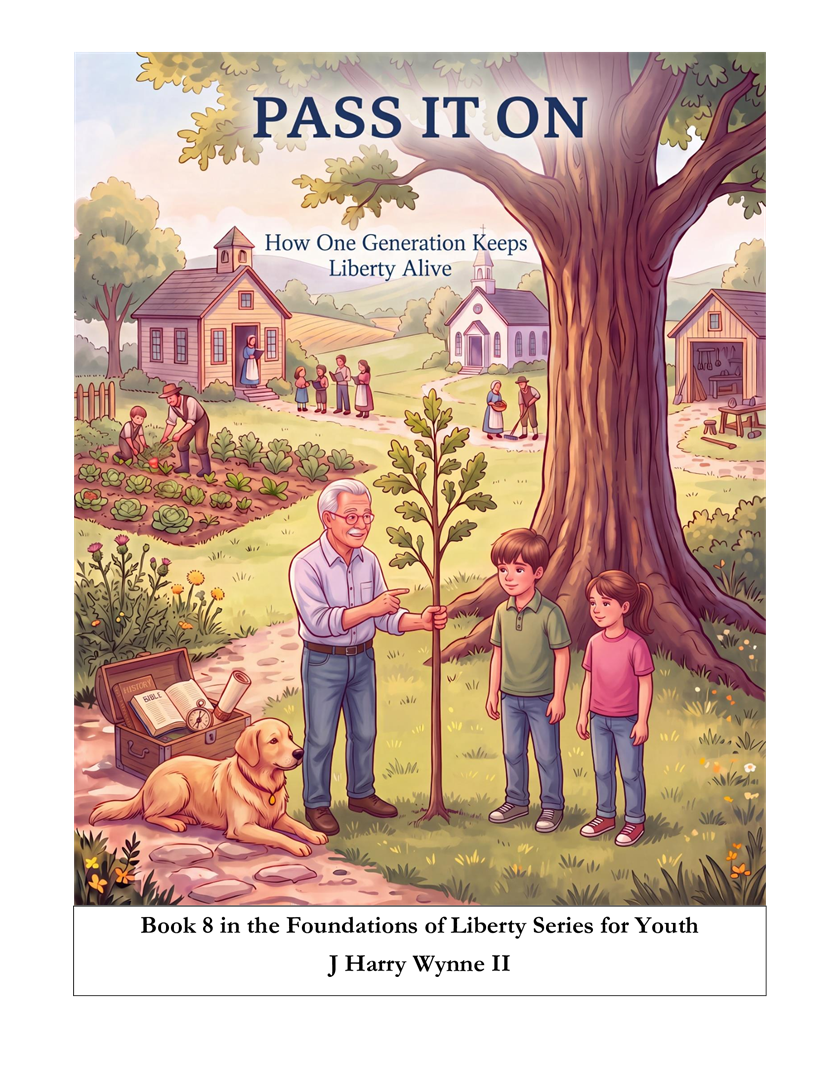
Pass It On--How One Generation Keeps Liberty Alive Book 8 in the Youth Series
The book teaches that liberty survives only when each generation learns, lives, and passes on the truths that make freedom possible. Through six illustrated lessons, children learn why they must understand their inheritance, tell history honestly, model what they believe, strengthen families, churches, schools, and communities, remain steady when truth is challenged, and recognize that moral formation is never neutral. The book brings together the major themes of the entire series—truth, moral authority, self-government, limited government, civic responsibility, and faithful service—and ends with a simple message: liberty is not preserved automatically. It must be learned, lived, protected, and courageously passed from one generation to the next.